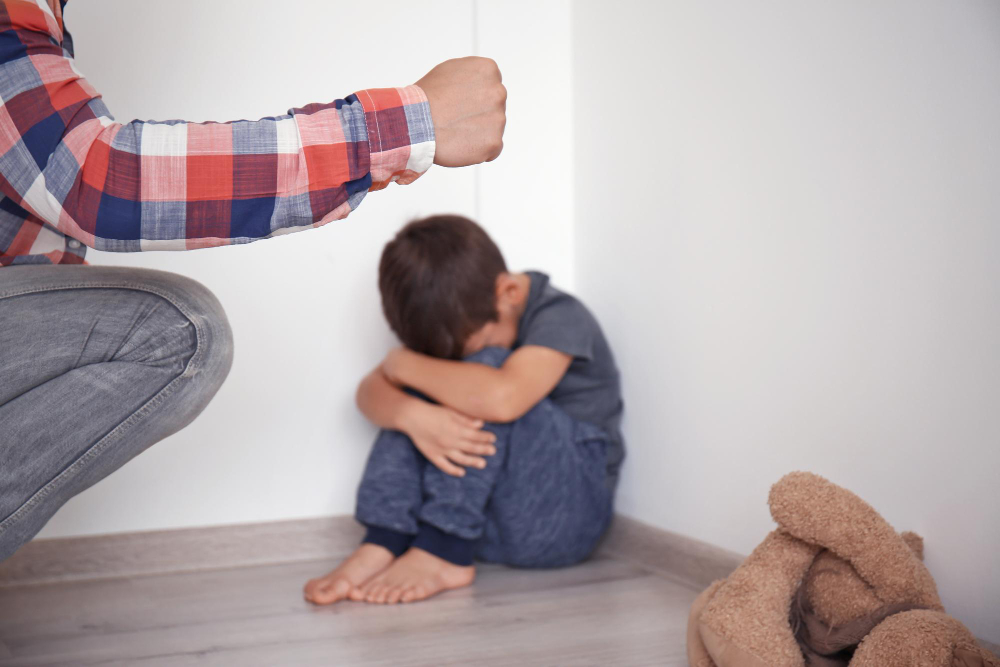
What is Bullying in Children?
Bullying in children means repeated, unwanted aggressive behavior by one child toward another. It can happen at school, online, or even in the neighborhood. Because bullying in children can harm both the victim and the bully, it is a serious issue. Many children face bullying, so understanding it is important for parents, teachers, and the community.
Common Signs and Symptoms
Often, children do not speak up about being bullied. However, there are signs you can watch for. For example, a child may:
Because these signs can have other causes, it is important to talk with your child if you notice them.
Causes and Risk Factors
Many factors can lead to bullying in children. Sometimes, children bully others to feel powerful or to fit in. In other cases, they may have learned this behavior at home or from friends. Some risk factors include:
Because every child is unique, the reasons for bullying can vary.
Short-term and Long-term Effects
Bullying in children can cause both short-term and long-term harm. In the short term, children may feel sad, anxious, or scared. They might avoid school or social events. Over time, bullying can lead to:
Because these effects can last into adulthood, early action is important. According to the CDC, bullying can have lifelong impacts on mental health.
How to Identify Bullying
Sometimes, bullying is easy to spot. For example, you may see a child being teased or pushed. Other times, it is hidden, such as online bullying or social exclusion. To identify bullying, you can:
Because children may feel ashamed or scared, they might not tell you right away. So, keep communication open and supportive.
Prevention Strategies for Parents and Schools
Both parents and schools play a key role in preventing bullying in children. Here are some helpful strategies:
Because prevention starts early, it is important to act before problems begin.
Effective Interventions and Support
If bullying happens, quick action can help. For example, you can:
Because every situation is different, tailor your response to the child’s needs. The CDC recommends involving both families and schools for the best results.
When to Seek Professional Help
Sometimes, bullying in children leads to serious emotional or physical harm. If you notice signs of depression, anxiety, or self-harm, seek help from a mental health professional. Also, if the bullying does not stop after taking action, outside support may be needed. Early help can prevent long-term problems and support healing.
If you suspect a child is being bullied, consult a mental health professional for personalized guidance.